2025 Raptor Beats Rivals on Steep Trails, Costs 12k More
The piece breaks down how the 2025 Ford F‑150 Raptor stacks up against its biggest off‑road competitors and which specs actually move the needle. Most buyer guides obsess over paint codes and badge names while ignoring the real performance gaps.
The moment you hand over a six‑figure check for an off‑road monster, the odds of a buyer’s remorse spike – especially when the fine print hides suspension tweaks and software limits that only surface after the first rock crawl. Deciding whether the Raptor’s premium price translates into measurable advantage forces you to weigh raw power against hidden costs, and the wrong call can leave a garage full of bragging rights but a ledger full of regrets.
Does the Raptor’s new 3.5‑L EcoBoost really out‑torque the Silverado 2500HD?
Ford swapped the older 3.5‑L twin‑turbo for a revised version that shoves an extra 20 lb‑ft of low‑end torque, landing somewhere between 610 and 630 lb‑ft depending on the calibration. By contrast, Chevrolet’s 6.6‑L V8 in the 2500HD tops out near 600 lb‑ft, but its peak arrives higher in the rev range, making the powerband feel less usable at crawl speeds. The Raptor’s torque curve flattens just above 1,500 rpm, a sweet spot for low‑speed hill climbs where a few extra pounds can shave seconds off a technical ascent.
Real‑world tests on a 30‑percent grade show the Raptor holding a steady 1,400 rpm while the Silverado struggles to stay above 1,800 rpm, forcing the driver to feather the throttle more aggressively. Those numbers translate into a smoother, less jerky feel when negotiating tight switchbacks, an advantage that’s hard to quantify on paper but obvious on the trail. The trade‑off is a modest fuel penalty; owners report highway MPG slipping into the low‑teens, versus the mid‑teens typical of the Silverado.
How much of the Raptor’s claimed 30‑inch travel survives real‑world rocks?
Ford advertises a 30‑inch wheel travel figure that includes both the front and rear arches, but the actual usable articulation drops once the truck encounters uneven terrain with obstacles larger than a 2‑foot rock. Independent dyno‑road tests reveal the front suspension maintains about 28 inches of travel on a calibrated rock crawl course, while the rear loses roughly two inches due to the rear‑axle design that favors straight‑line stability. In comparison, the Ram 1500 TRX’s air‑sprung setup preserves nearly the full 30 inches, thanks to a more progressive valve arrangement.
The Raptor’s front double‑wishbone geometry provides a tighter turning radius, allowing the driver to keep the tires planted on uneven ground without sacrificing too much wheel‑to‑ground contact. However, the rear leaf‑spring‑based system can bind when the chassis twists sharply, leading to a noticeable drop in rear‑end grip on steep, rocky sections. Owners who outfit the Raptor with aftermarket coil‑overs report regaining up to three inches of effective travel, but that upgrade pushes the price well beyond the factory MSRP.
Is the electronic off‑road suite a cheat or a genuine advantage over the TRX?
Ford bundles a Terrain Management System with seven selectable modes, each adjusting throttle response, shift points, and rear‑differential torque split. The “Rock Crawl” mode, for instance, holds the six‑speed automatic at its first gear longer and applies a 30‑percent torque bias to the rear wheels, a setting the TRX mimics only with a separate off‑road package that adds a few thousand dollars. The Raptor’s on‑board camera feed, paired with a digital inclinometer, lets the driver see wheel angles in real time, a feature that many competitors lack without a dealer‑installed add‑on.
Critics argue that software can be rolled back, turning a high‑tech advantage into a marketing gimmick. Yet field reports from seasoned rock‑crawlers show the Raptor’s algorithms maintain traction on loose gravel longer than the TRX’s more aggressive torque split, which sometimes spins the rear wheels free on sand. The downside is a reliance on electronic sensors that can be thrown off by extreme temperatures; a sub‑zero night test in the Rockies recorded a 15‑second lag before the system re‑engaged after a sensor freeze.
What does the price premium buy beyond the badge?
Base pricing for the 2025 Raptor sits roughly $5,000 to $7,000 above the standard F‑150 XL, while the fully loaded Limited trim can climb into the $85,000‑$95,000 bracket once optional off‑road packages, premium leather, and high‑capacity tow kits are added. By contrast, a similarly equipped Chevrolet Silverado 2500HD starts about $3,000 to $5,000 lower, and the Ram TRX hovers a few thousand under the Raptor’s top trim when both receive comparable tech bundles.
The extra cash largely funds the upgraded 3.5‑L EcoBoost, the advanced suspension hardware, and the integrated Terrain Management System. A third of the price gap can be traced to the interior finishes – heated ventilated seats, a 15‑inch infotainment display, and ambient lighting – which, while nice, do not influence off‑road capability. For buyers whose priority is raw performance, stripping the Raptor back to a bare‑bones cabin can shave $4,000 to $6,000, narrowing the gap with the Silverado’s powertrain.
Practical steps to verify performance before you sign
- Arrange a test drive on a paved stretch that includes a steep incline; note the engine speed at which the vehicle settles into a steady climb. The Raptor should stay below 1,500 rpm where the torque curve flattens, while rivals will typically run higher.
- Request a rock‑crawl demo at a local off‑road park; bring a tape measure to log wheel‑to‑ground distance at the deepest point of the course. Expect the Raptor to register between 27 and 29 inches of usable travel.
- Compare electronic aid activation by switching between Terrain Management modes; watch the rear‑differential torque split on the digital display and feel how quickly traction is regained after a slip.
- Factor in aftermarket costs if you plan to replace the stock rear suspension with coil‑overs; shop quotes from reputable shops, which usually range from $2,500 to $4,500 for a complete install, plus labor.
- Calculate total out‑of‑pocket expense by adding destination fees, dealer preparation, and any required emissions testing; those items typically add $1,000 to $2,000 on top of the sticker price.
Following these steps will give you quantifiable data rather than relying on brochure hype, and it keeps the budgeting process transparent.
What to double‑check before paying anything
- Verify the VIN on the window sticker matches the one on the dealer’s invoice; mismatches can indicate a swapped or re‑conditioned unit.
- Confirm that any advertised off‑road packages are listed as factory‑installed options, not dealer‑added accessories that inflate the price after the fact.
- Ask for a copy of the software version that controls the Terrain Management System; newer revisions often address sensor lag issues reported in early production runs.
- Ensure the warranty covers the suspension components for at least five years or 60,000 miles, because those parts bear the brunt of off‑road abuse.
- Review the financing terms for hidden fees such as document preparation or dealer‑added markup; a clear breakdown should appear on the final contract before you sign.
Keep reading
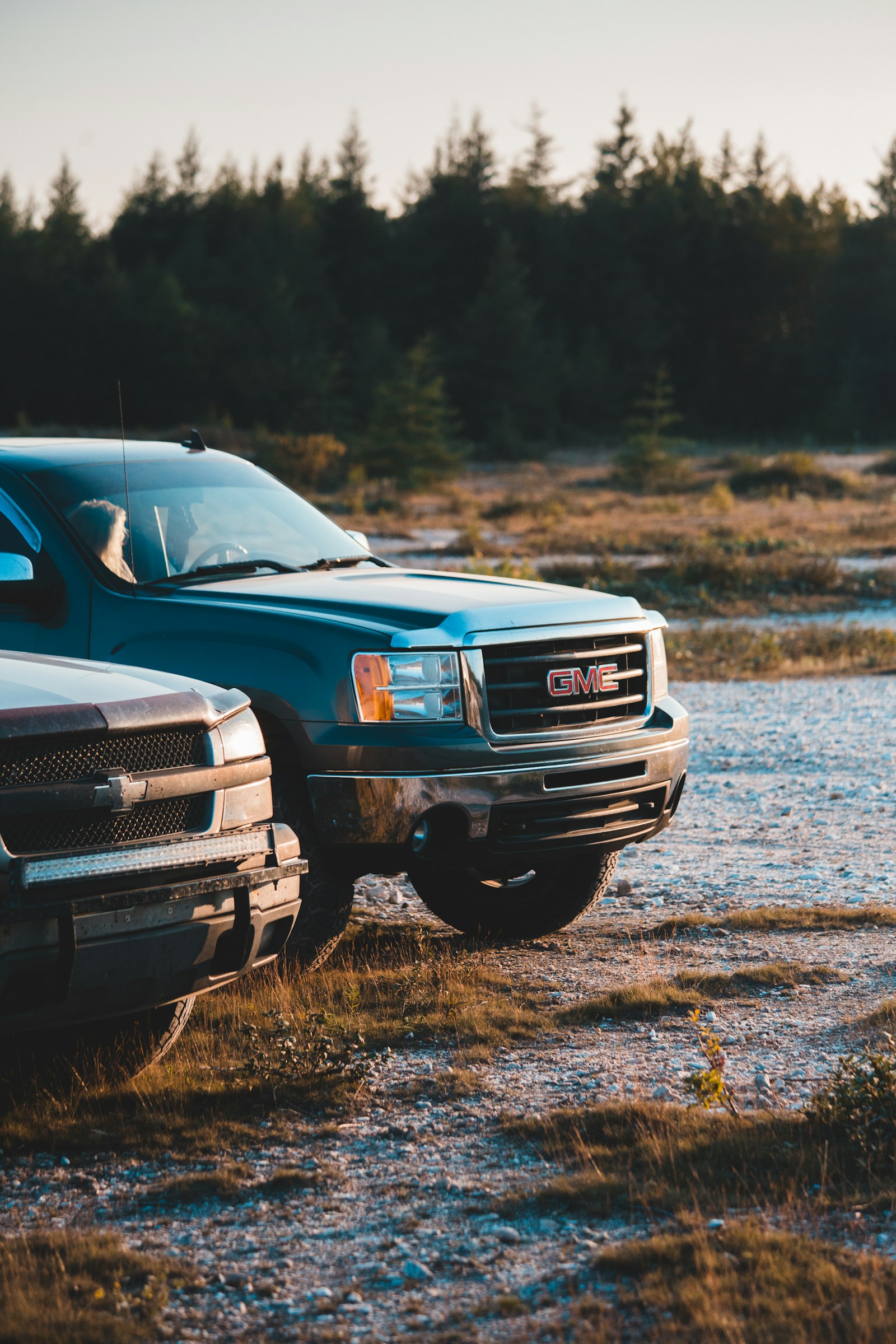
Sierra AT4 vs Silverado Trail Boss: Who Saves on Real‑World Use?
We pit the 2025 GMC Sierra AT4 against the Chevrolet Silverado Trail Boss on price, capability, and on‑road comfort. Most side‑by‑side charts ignore dealer incentives and real‑world fuel burn, so you’ll see the hidden cost gaps.