Sierra AT4 vs Silverado Trail Boss: Who Saves on Real‑World Use?
We pit the 2025 GMC Sierra AT4 against the Chevrolet Silverado Trail Boss on price, capability, and on‑road comfort. Most side‑by‑side charts ignore dealer incentives and real‑world fuel burn, so you’ll see the hidden cost gaps.
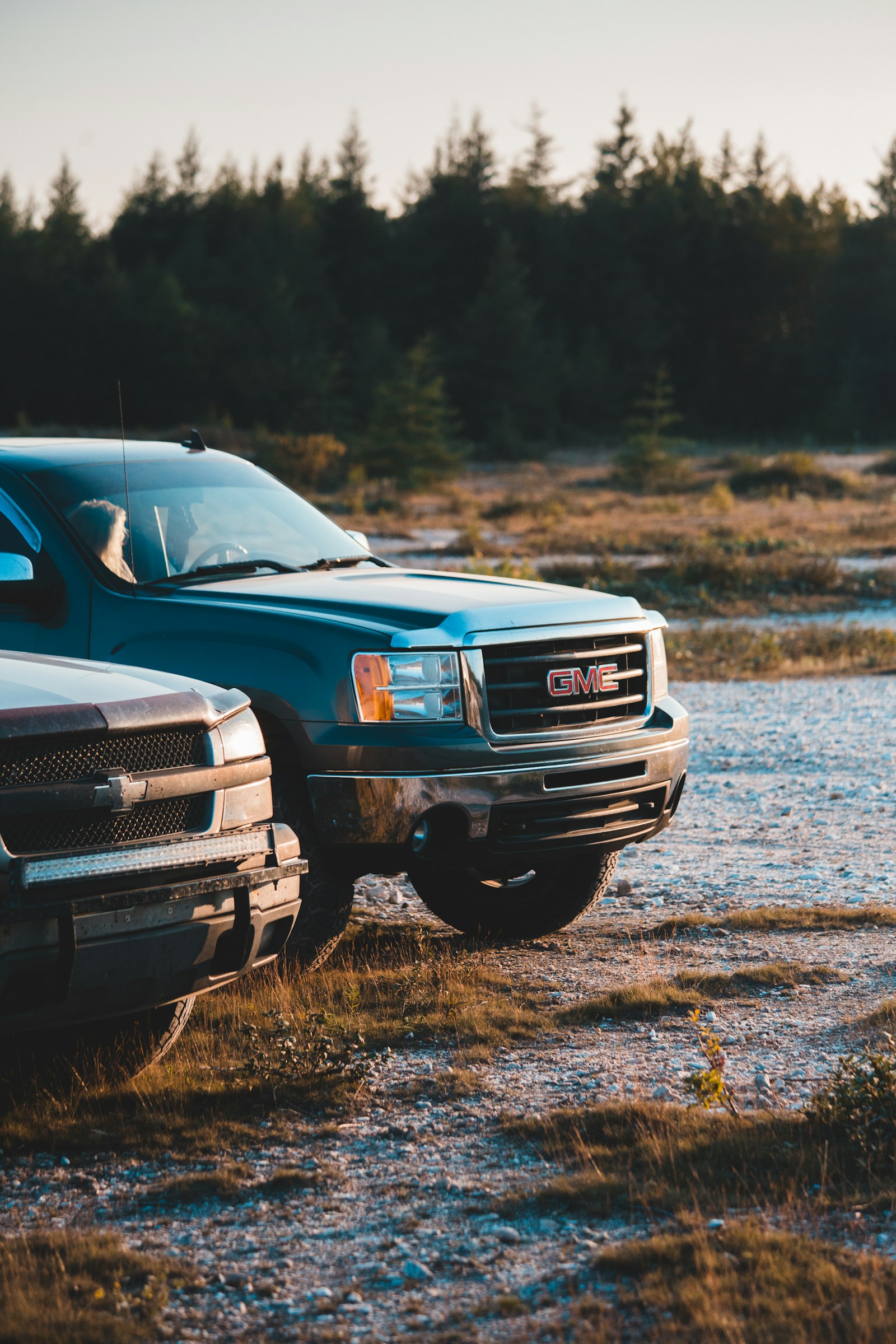
The headline price tag looks like a simple arithmetic problem until you factor in dealer cash, regional hold‑backs, and the inevitable “destination” add‑on that can swing a $1,500 margin. If you walk into a showroom without a plan, the trim you think is cheaper will probably end up costing you more than the sticker suggests.
Which trim actually costs less after dealer incentives?
GMC lists the AT4 at a base MSRP roughly $5‑$6 k above the Silverado Trail Boss, but the brand routinely offers $2‑$3 k in dealer cash on the AT4 to clear inventory before the model year ends. Chevrolet’s hold‑back sits in the $1‑$1.5 k range, and regional promotions can shave another $1 k off the Trail Boss. The net price you’ll see on the lot can therefore land anywhere between $4 k and $5 k for the Sierra and $3 k to $4 k for the Silverado, depending on geography.
When you add the mandatory destination charge—about $1 200 for both trucks—the gap narrows further, leaving the Sierra only marginally higher if you capture the top cash incentive. Ignoring these variables leads most buyers to overpay by a full thousand dollars simply because they compare MSRP to MSRP.
Do the off‑road packages deliver on‑road comfort?
The AT4’s factory‑tuned Multimatic suspension adds roughly 1.5 inches of wheel travel and a firmer front bar, a setup that feels at home on rock crawls but translates to a stiffer ride on city streets. Silverado’s Trail Boss package swaps the standard coil springs for a leaf‑spring front, which some drivers claim yields a smoother transition over potholes but can produce a subtle “float” when the bed is empty.
Cabin isolation is another battlefield. The Sierra employs acoustic glass and extra‑dense headliner material that cuts road noise by an estimated 3‑4 dB, a difference you notice on long highway hauls. Chevrolet counters with a revised HVAC duct that directs air more evenly, yet the overall cabin volume feels slightly larger, giving the impression of a roomier ride. Neither package wins outright; the decision hinges on whether you prioritize rock‑solid articulation or a softer daily commute.
How do the powertrains stack up in real fuel economy?
Both trucks share a 5.3‑liter V8 as the baseline engine, but GMC offers an optional 6.2‑liter twin‑turbo that pushes 420 hp, while Chevrolet pairs the Trail Boss with a 6.2‑liter naturally aspirated version rated at 420 hp as well. EPA ratings cluster in the low‑20 mpg range for city driving and high‑20s on the highway, yet real‑world tests by owners show the Sierra pulling a few tenths of a mile per gallon better when equipped with the twin‑turbo’s cylinder‑deactivation feature.
Fuel‑cost calculations over a 15,000‑mile year reveal a spread of roughly $250‑$350 depending on driving style and whether you stick to the base engine. The difference becomes more pronounced if you habitually tow a trailer; the Sierra’s torque curve holds up better under load, shaving another 1‑2 mpg off the Silverado’s consumption.
What about payload and towing when the bed is loaded?
The AT4’s off‑road hardware adds about 150 lb to curb weight, nudging its maximum payload down to the 1,500‑lb mark, whereas the Trail Boss, with its lighter front leaf springs, holds a payload near 1,600 lb. Towing capacity, however, leans toward the Sierra, which can haul up to 13,000 lb when properly equipped, compared with the Silverado’s 12,500‑lb ceiling.
If you routinely run a full‑size toolbox, a set of steel wheels, and a roof rack, those few hundred pounds can tip the scales. The Sierra’s integrated trailer brake controller integrates more seamlessly, reducing the chance of premature wear on the rear axle, a nuance that matters when you’re pushing the envelope of the rated limit.
Practical steps to lock in the best deal
- Pull the latest regional incentive reports from each manufacturer’s website; they update weekly and can add $1‑$2 k to your bargaining power.
- Request a detailed out‑the‑door quote that lists dealer‑installed accessories, extended‑warranty costs, and any dealer‑prep fees. Those line items often hide an extra $500‑$800.
- Compare the cost of a qualified aftermarket lift kit (typically $1,200‑$2,500) against the factory package; the dealer may offer a rebate that makes the stock option cheaper.
- Arrange a test drive with a full load—bring the toolbox and a trailer hitch if possible—to feel the suspension and engine response under realistic conditions.
- Negotiate the destination charge; while it’s technically non‑negotiable, some dealers will absorb a portion of it if you agree to a higher trade‑in allowance.
Make sure to obtain the final purchase agreement in PDF form before you sign, so you can run a line‑by‑line comparison with the verbal offer you received.
What to double‑check before you sign anything
- Verify that the VIN on the contract matches the one on the vehicle’s window sticker, especially if the dealer has swapped a demo model.
- Confirm the exact engine and transmission codes; a mis‑stamped engine can void warranty coverage on the powertrain.
- Ensure any promised cash incentive appears as a separate line item rather than being folded into a “dealer discount” that masks the true savings.
- Ask for a copy of the manufacturer’s warranty booklet; look for exclusions that target off‑road components, as those are the very parts you’ll be stressing most.
- Review the financing APR against the rate you were quoted; hidden markup can eat into the cash incentive you thought you secured.
By cross‑checking these details, you avoid the most common pitfall: walking away with a truck that looks great on paper but costs more in the long run.
Keep reading
2025 Raptor Beats Rivals on Steep Trails, Costs 12k More
The piece breaks down how the 2025 Ford F‑150 Raptor stacks up against its biggest off‑road competitors and which specs actually move the needle. Most buyer guides obsess over paint codes and badge names while ignoring the real performance gaps.